
You may be tolerating his lies, anger and excessive drinking in the hope that his love for you would one day conquer all troubles. When I got married, I did so believing that I would have a partner. I believed I was marrying someone who wanted the same things I wanted.
Famous Drunk Personality Archetypes
- One notable research utilized the Five-Factor Model of Personality to categorize drunk behaviors.
- It’s crucial for reckless drunks to recognize this pattern and develop strategies to moderate their behavior when intoxicated.
- But beneath the surface, certain telltale behaviours reveal more about their true nature.
- Narcissistic personality disorder (NPD) and alcohol use disorder (AUD) are closely linked.
- Stress levels and mental health conditions can interact with alcohol’s effects.
They may dwell on it, or https://ecosoberhouse.com/ be haunted by it, and end up enraged or retaliating. One example is being referred to Alcoholics Anonymous (AA) on the presumption of AUD. In such cases, a person might start to question the diagnosis and abandon treatment altogether even if another condition, such as NPD, actually exists.
Life Coaching
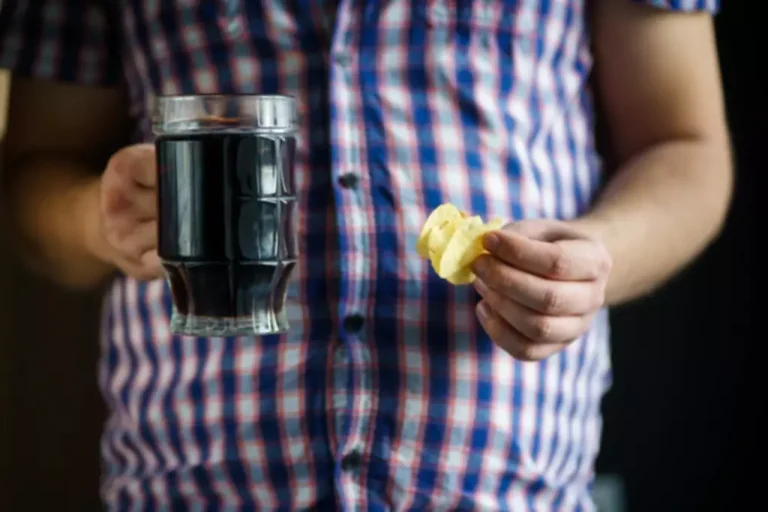
Blackout drinking can lead to dangerous situations, as the person lacks the ability to make informed choices. It also increases the risk of alcohol poisoning and long-term health issues. Researchers found that alcohol tends to amplify existing personality traits rather than creating entirely new ones. For example, individuals high in extraversion may become even more outgoing and social when drunk. Very little research has been conducted specifically on narcissism’s effect on problem recognition or a person’s readiness to change.
- However, I have come to understand that it is simply not about me.
- It often leads to increased isolation and difficulty in maintaining relationships.
- Are you in a relationship with someone who puts themself and their drinking before others?
- This keeps you tied to him and his manipulation with an added element of vengeance in the post-divorce situation.
- The current study explored the relationship between narcissism and alcohol use, alcohol-related problems, problem recognition, evaluation, and problem expectancies in a college population.
Alcohol use disorder

In both NPD and AUD, childhood trauma — including abuse and neglect — may be a risk factor. It seems that many people who have NPD might also have AUD, but it’s not clear why. People with NPD and people with AUD might have some symptoms in common. It’s worth noting that the DSM-5-TR doesn’t use the term “alcoholism,” but the term is still used colloquially to refer to AUD. Narcissism and alcohol use can share some signs and symptoms. These are the difficult questions that the partner of a narcissist and addict has to explore and answer for him or herself.
Confronting Angry and Reckless Behavior
In fact, empathy and support are actually not helpful in dealing with a narcissist. If you are tolerating a narcissist with alcoholic traits in the hope that he would one day change, you should think again. Narcissists believe they are the salt of the earth and rarely let an opportunity to manipulate others pass.
They honed in on impulsivity and conducted a meta-analysis of the existing literature. If so, Substance abuse that seems to make the kinship ties of narcissism and addiction even more evident. One thing that has intrigued researchers about narcissists is that they are ultimately playing a losing game, and prone to self-defeating behaviors. I’d never met anyone involved in the kind of life he lived. It intrigued me; but mostly, I thought it was a weak period he’d grow out of.
- “Whenever you try to share how you are feeling – particularly if it’s about something they did that hurt your feelings – they will accuse you of being angry and express their reluctance to deal with your anger,” he writes.
- Vulnerable narcissism, on the other hand, emerged as a risk factor for alcohol-related problems.
- On the other hand, their mask could start to slip, giving you a glimpse of the vulnerable inner self hiding behind the narcissist’s disguise.
- Alcohol impacts different personality traits in varying ways.
- It also increases the risk of alcohol poisoning and long-term health issues.
Cardiologist reveals his number one tips to avoid a heart attack before you’re 60
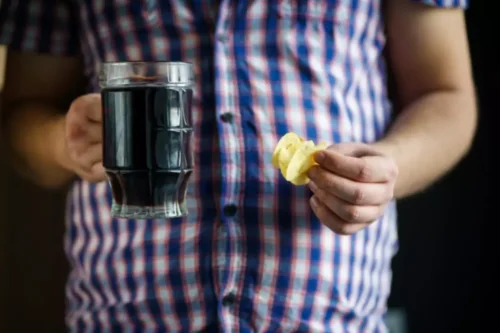
Recognizing one’s own tendencies when drinking can help promote safer alcohol consumption habits. The way alcohol affects someone’s behavior often relates to their sober personality traits and genetic factors that influence how their body processes alcohol. The current narcissist when drunk study explored the relationship between narcissism and alcohol use, alcohol-related problems, problem recognition, evaluation, and problem expectancies in a college population. Grandiose and vulnerable narcissism differentially predicted all five of the outcomes. Grandiose narcissism was a significant predictor of alcohol use and a positive problem evaluation while vulnerable narcissism was a significant predictor of alcohol-related problems, problem recognition, and problem expectancy.

- In both NPD and AUD, childhood trauma — including abuse and neglect — may be a risk factor.
- But addiction makes us all more narcissistic—willing to lie, steal, cheat, and even exploit others to get our high.”
- They may lash out verbally or physically, damaging relationships and property.
They will often be convinced that they’re entitled to do whatever they want and that their drinking isn’t a problem but a social benefit. Living with an alcoholic narcissist can be an emotional rollercoaster, and maintaining your equilibrium can be challenging in the face of their ever-changing emotions and demands. Engaging in arguments with an alcoholic narcissist can be futile and emotionally draining. You may, for example, ban your partner from drinking around you or refuse to give them money knowing they’ll only spend it on alcohol. Establish clear boundaries to protect your emotional well-being, being clear about what behaviors you’re willing to tolerate and what your reaction will be if those boundaries are crossed.
Similarities and Differences: Narcissism and Alcoholism
Personal appearance often suffers, with disheveled clothing or messy eating habits. While often well-intentioned, their behavior can sometimes cross personal boundaries. Affectionate drunks might overshare intimate details or make romantic advances towards friends or strangers.
Understanding the Risk Factors
Likewise, people with AUD can successfully recover from the disorder. Therapy, a strong support system, and self-care strategies can help you make a full recovery. Although NPD can’t be cured, someone with NPD can change their behavior if they’re willing to put in the time and effort, according to research from 2018. In other words, those who had narcissistic tendencies were more likely to use alcohol and experience problems because of alcohol use. These overlapping traits can make it hard to distinguish alcohol misuse from narcissism. If the person does not want to enter treatment or change, there may not be hope for healing.